
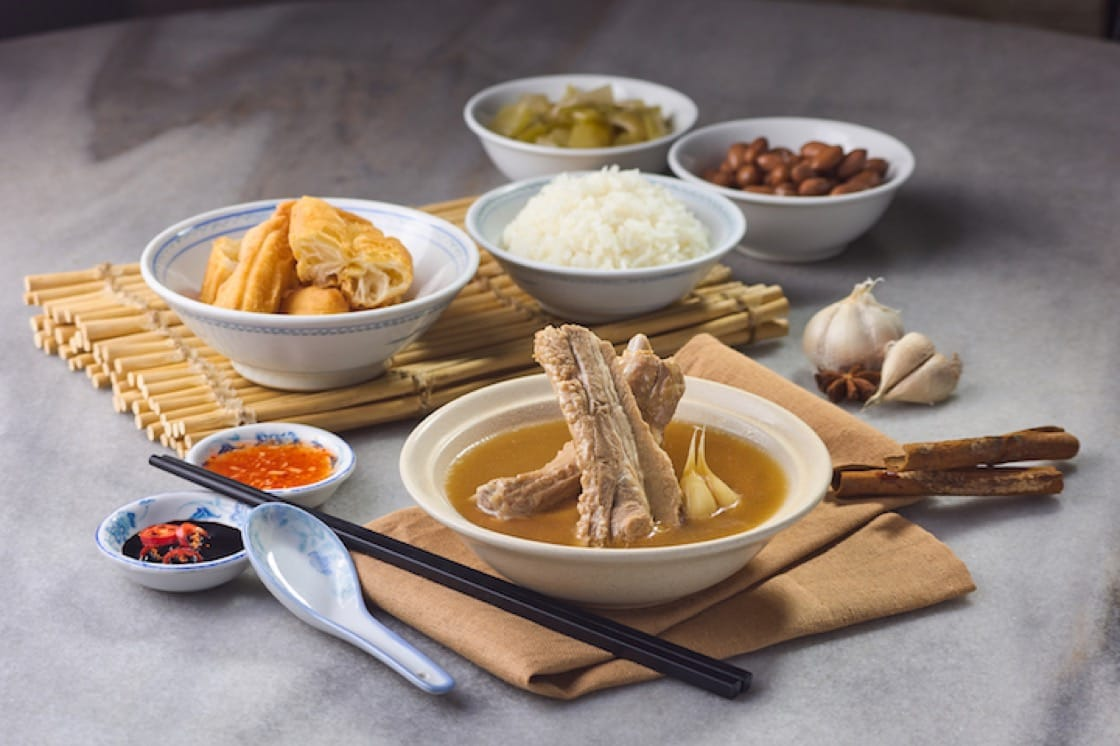
Bak kut teh is one of Singapore’s most iconic comfort foods. Translating literally to “meat bone tea,” this humble dish of pork ribs simmered in a fragrant broth has evolved into a culinary marker of identity, with different styles, loyal followings, and fierce debates over what constitutes the best bowl. In Singapore, bak kut teh is not just a meal—it’s a ritual. From early-morning breakfasts to late-night suppers, locals gather around steaming claypots, sipping broth, cracking bones, and refilling bowls until the flavours sink in.
This comprehensive guide explores the best bak kut teh in Singapore, focusing on established, still-operating stalls and restaurants, what makes each unique, and how to choose the style that suits your taste.
Understanding Bak Kut Teh Styles in Singapore
Before diving into where to eat, it helps to understand the two dominant styles you’ll encounter in Singapore.
The Teochew-style bak kut teh is the most common locally. It features a clear, peppery broth heavy on garlic and white pepper, allowing the natural sweetness of pork ribs to shine through. This version is typically served with you tiao (fried dough fritters), rice, and light soy sauce with chilli.
The Hokkien-style bak kut teh, less common in Singapore, uses a darker, herbal broth with ingredients like dang gui and star anise. It’s richer, earthier, and closer to Chinese herbal soups.
Most of Singapore’s famous bak kut teh stalls specialise in the Teochew style—but each adds its own signature touch.
Song Fa Bak Kut Teh — The Global Icon
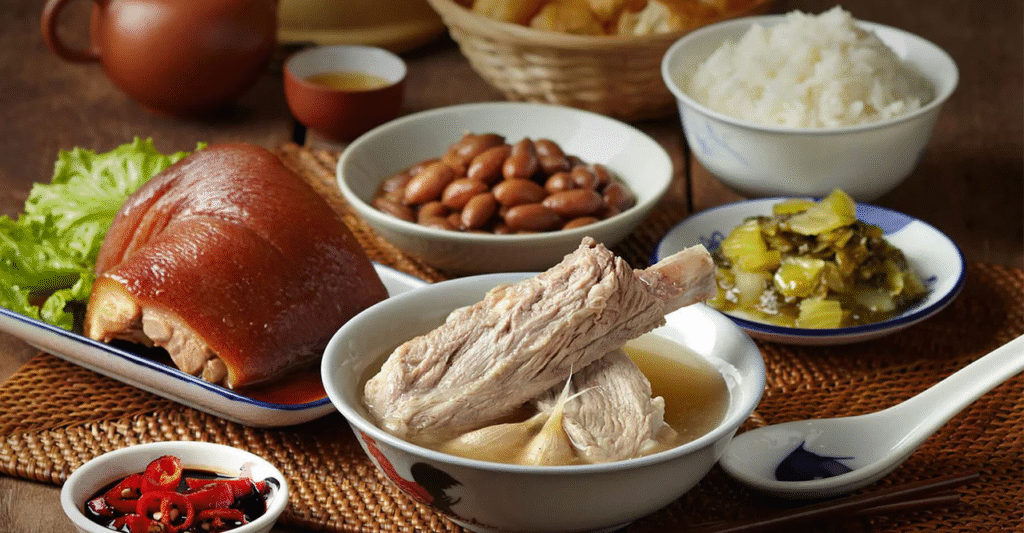
No conversation about bak kut teh in Singapore can begin without Song Fa. Founded in the late 1960s, Song Fa has grown from a single stall into an internationally recognised brand, with multiple outlets across Singapore and overseas.
What makes Song Fa stand out is consistency. The broth is unmistakably peppery, aromatic, and clean, with a sharp white-pepper kick that warms the throat. The pork ribs are tender without being mushy, and the soup is famously refillable—encouraging diners to savour it slowly.
Song Fa is often recommended to first-time visitors because it represents a polished, accessible version of classic Teochew bak kut teh. While purists may prefer smaller stalls, Song Fa’s quality control and reliability make it one of the safest and most satisfying choices.
Ng Ah Sio Pork Ribs Soup — Old-School Pepper Power
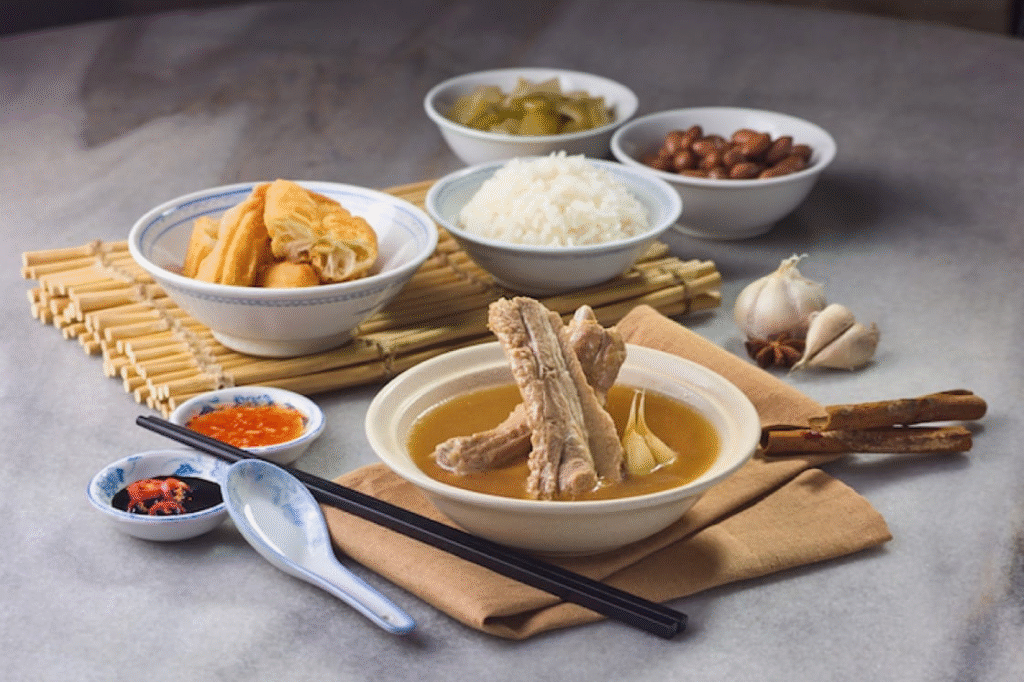
Ng Ah Sio is a favourite among locals who enjoy a more aggressive pepper profile. Located near Outram, this long-running stall is known for its unapologetically bold broth—cloudy, spicy, and intensely aromatic.
The pork ribs here are chunky, meaty, and slightly firmer than those at Song Fa, appealing to diners who prefer more bite. The soup leans heavily into white pepper rather than garlic, creating a punchy flavour that lingers.
Ng Ah Sio feels more rugged and old-school, with a no-frills setting that prioritises flavour over comfort. If you believe bak kut teh should make you sweat slightly, this is a must-try.
Founder Bak Kut Teh — Herbal Depth Meets Tradition
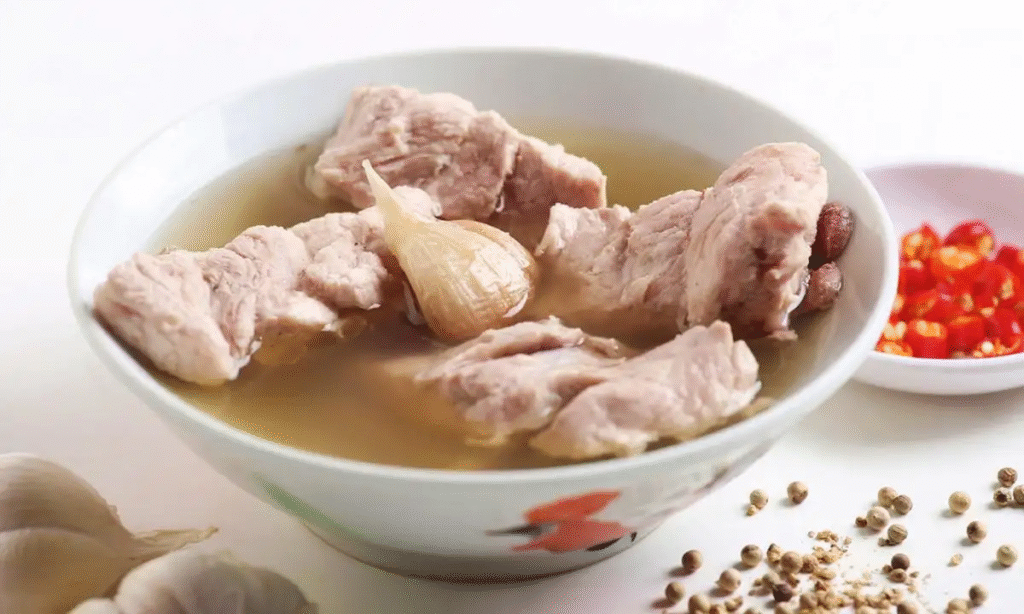
Founder Bak Kut Teh occupies a unique space in Singapore’s bak kut teh landscape. While often grouped with peppery Teochew-style stalls, Founder leans noticeably toward a more herbal, complex broth—bridging the gap between Teochew and Hokkien styles.
The soup is darker, with a layered aroma that feels medicinal and comforting rather than sharp. Pork ribs are tender and generously portioned, and many diners enjoy adding braised intestines or other offal to round out the meal.
Founder’s Balestier location has made it a pilgrimage site for bak kut teh fans, especially those who enjoy a slower, deeper flavour profile that feels nourishing rather than fiery.
Balestier Bak Kut Teh — Straightforward and Pepper-Forward
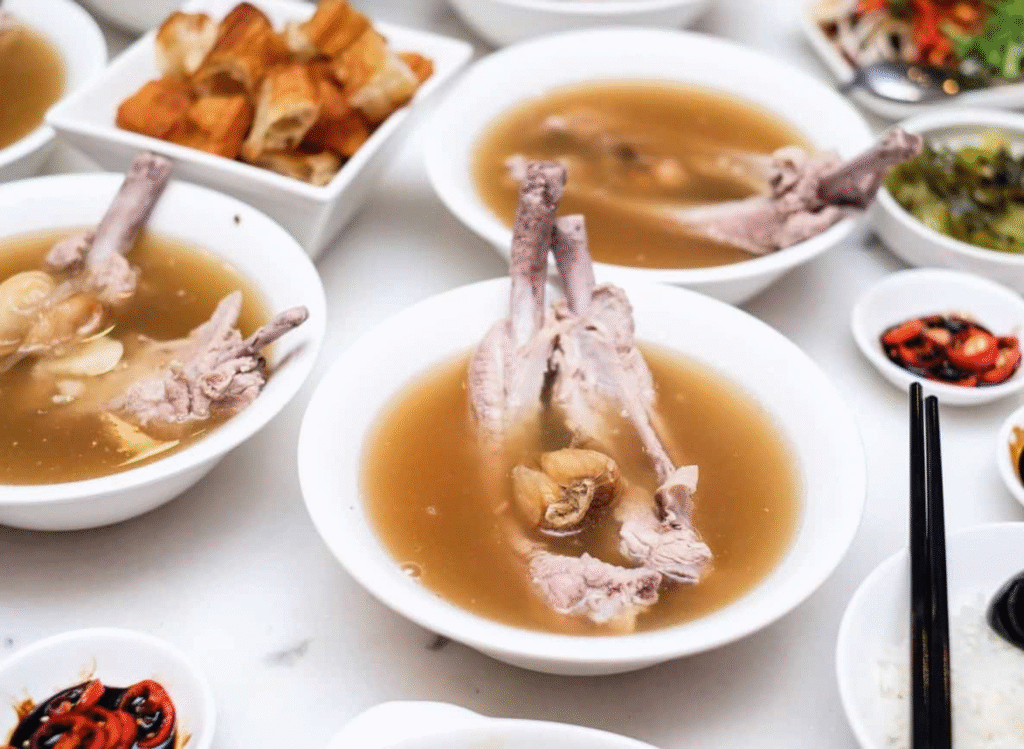
Also located in the Balestier area, Balestier Bak Kut Teh is often praised for sticking closely to traditional Teochew roots. The broth is clear and intensely peppery, but slightly lighter than Ng Ah Sio’s, making it easier to drink bowl after bowl.
The pork ribs are well-cleaned and evenly cooked, and the overall experience feels balanced and comforting. This stall appeals to diners who want classic flavours without modern embellishments.
Balestier Bak Kut Teh doesn’t chase trends—it delivers a dependable bowl that reminds many locals of how bak kut teh tasted decades ago.
Ya Hua Bak Kut Teh — Late-Night Favourite
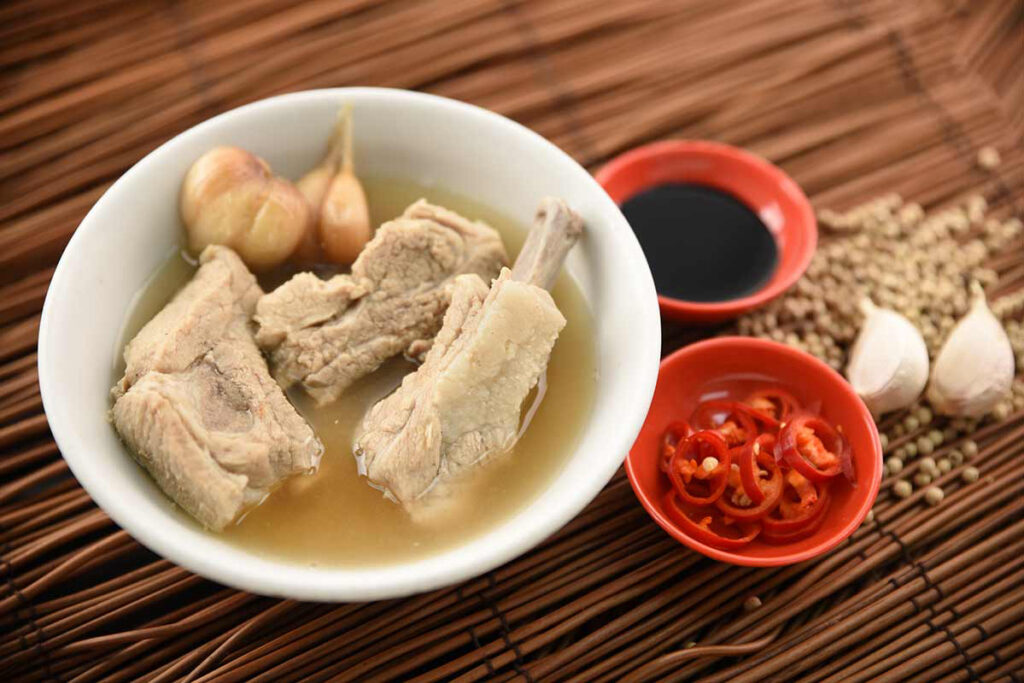
Ya Hua Bak Kut Teh has carved out a reputation as a go-to supper spot. Open late into the night, it attracts diners looking for something hearty after long workdays or nights out.
The broth here is lighter and more aromatic, with a noticeable garlic presence and a milder pepper kick. This makes it particularly appealing to diners who enjoy sipping soup generously without overwhelming heat.
Ya Hua’s appeal lies in its approachability. It may not be the most intense bak kut teh on the island, but it’s comforting, consistent, and perfect for late-night cravings.
Heng Heng Bak Kut Teh — Hidden Hawker Gem
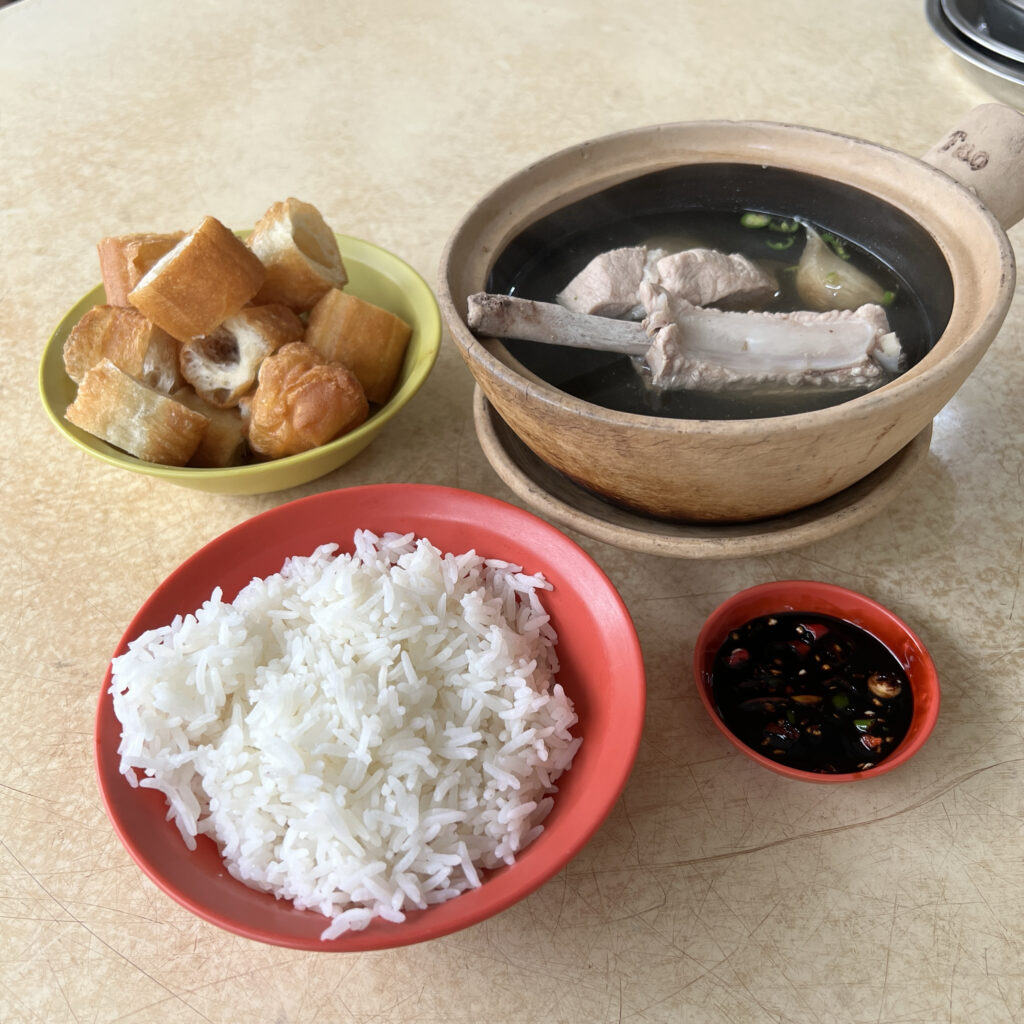
Tucked inside Chinatown Complex Food Centre, Heng Heng Bak Kut Teh is a lesser-known gem among hawker enthusiasts. Its broth is clean, fragrant, and balanced, offering a gentler take on the peppery style.
The pork ribs are tender and well-trimmed, and the stall often attracts office workers and regulars who appreciate its no-nonsense execution. Dining here feels distinctly local—quick meals, quiet slurping, and repeat customers who know exactly what they’re ordering.
If you enjoy discovering under-the-radar stalls that locals frequent, Heng Heng is worth seeking out.
Leong Kee Bak Kut Teh — Neighbourhood Comfort
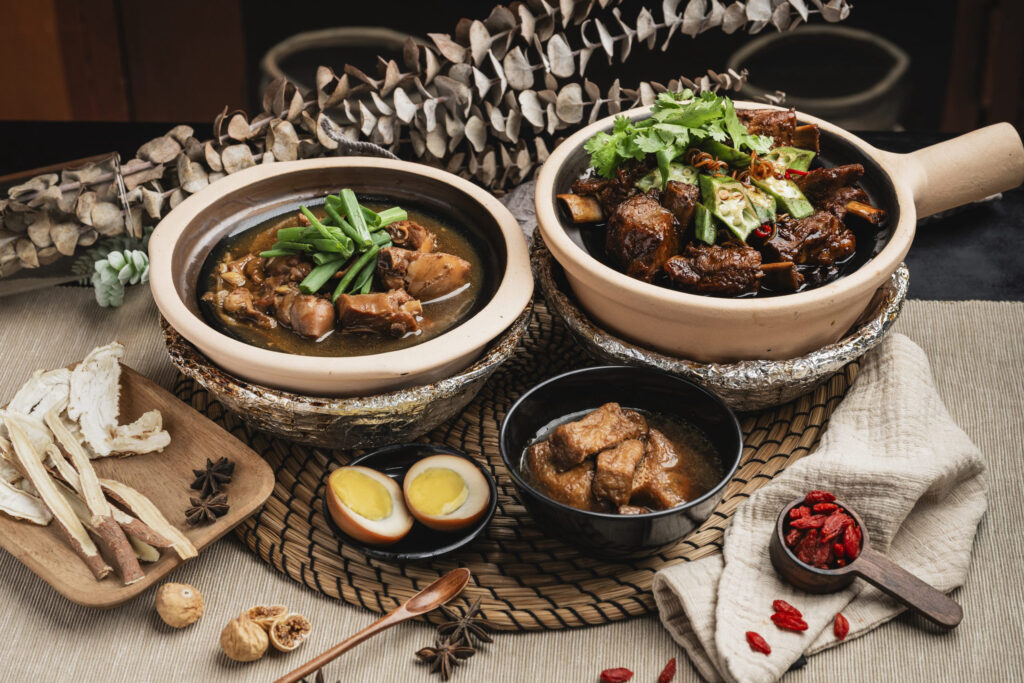
Located away from the city centre, Leong Kee Bak Kut Teh represents the heartland side of Singapore’s bak kut teh culture. This stall is popular with nearby residents and offers a straightforward, satisfying bowl without hype.
The broth is moderately peppery, with a strong pork aroma and a comforting warmth. Portions are generous, and the atmosphere feels relaxed and familiar.
Leong Kee is ideal for diners who prefer neighbourhood gems over tourist-heavy spots, proving that some of the best bak kut teh bowls are found outside the city core.
How to Choose the Right Bak Kut Teh for You
Choosing the best bak kut teh often comes down to personal preference rather than objective quality.
If you love peppery intensity, Ng Ah Sio and Balestier Bak Kut Teh will satisfy your craving.
If you prefer refined consistency and comfort, Song Fa is a strong choice.
If you enjoy herbal depth and complexity, Founder Bak Kut Teh stands out.
For late-night dining, Ya Hua remains a favourite.
For hawker authenticity, Heng Heng and Leong Kee offer quieter, local experiences.
What to Order with Bak Kut Teh
A bak kut teh meal is rarely just about the soup. Many diners add you tiao to soak up the broth, steamed rice for balance, and side dishes like braised peanuts, salted vegetables, or preserved vegetables.
Some stalls also offer pork belly, liver, intestines, or pig trotters—options that enrich the meal for those who enjoy nose-to-tail dining.
Final Thoughts
Bak kut teh is one of those dishes that rewards repeat exploration. Each stall offers a slightly different interpretation, shaped by heritage, location, and personal philosophy. Whether you’re drawn to peppery clarity, herbal richness, or late-night comfort, Singapore’s bak kut teh scene offers something deeply satisfying.
The best bak kut teh in Singapore isn’t just about the strongest pepper or the most tender ribs—it’s about how the soup makes you feel. Warmed, nourished, and unmistakably at home.
Leave a Reply